
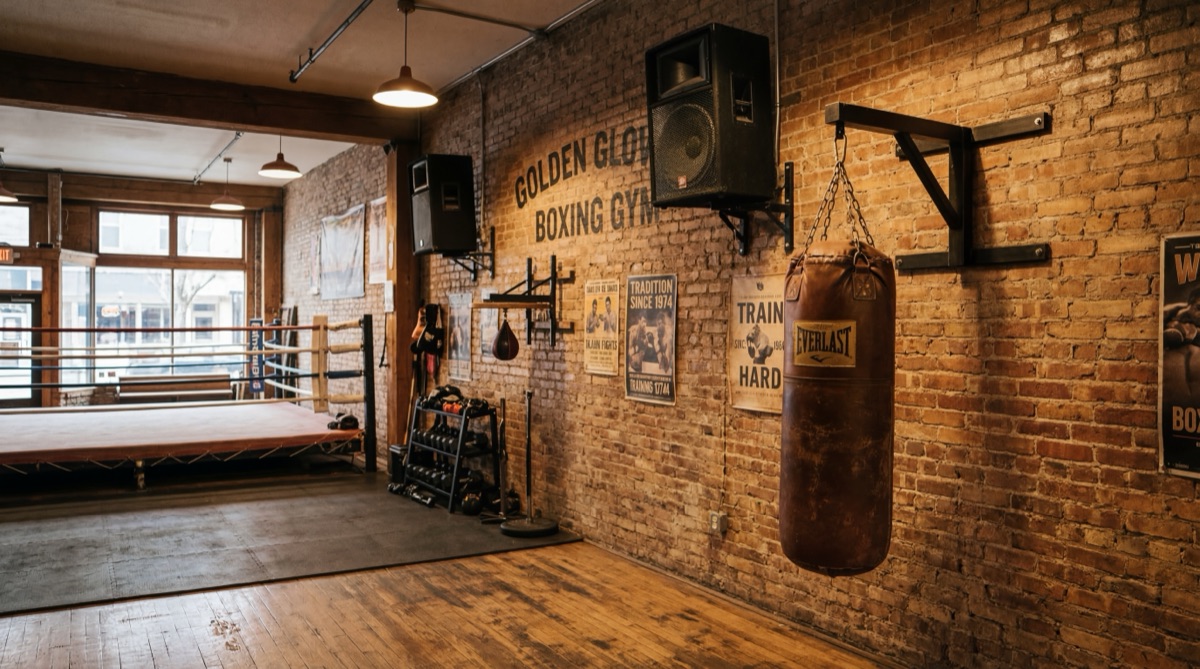
Walk into most chain gyms and you'll hear the same rotation of top 40 pop remixes. Loud enough to fill the room, generic enough to offend nobody. It's wallpaper. Sonic furniture. It exists so there isn't silence, and that's about it.
Now walk into a gym that plays Wu-Tang. Or Metallica. Or lo-fi hip-hop at 6am and drum and bass by 5pm. That gym is telling you something very specific about who it is and who it's for.
The first gym is selling memberships. The second one is building a culture.
The Invisible Choices
Here's the thing about details like music, lighting, how fast your website loads, the weight of your business card. Most people think they're invisible. Background noise. Not worth the effort.
They're wrong. These are the details your audience feels before they can articulate what they're feeling. You don't consciously notice the playlist. But you notice whether a place feels like yours.
This is true for every business, not just gyms. The font on your invoice communicates something. The speed of your email response communicates something. The stock photo you chose because it was "close enough" communicates something.
Every detail is a signal. And your audience is always receiving.
Building a Sound
I worked with a BJJ academy recently on something most branding projects would never touch: their music. Not a jingle. Not a podcast intro. A full library of 49 custom tracks.
Think about that for a second. Forty-nine songs. Each one written for the specific culture of that gym. Walkout tracks for competition day. Mellow vibes for the kids' class. Hard-hitting drill beats for the advanced sessions. Technique tracks with lyrical references to the movements being taught on the mat.
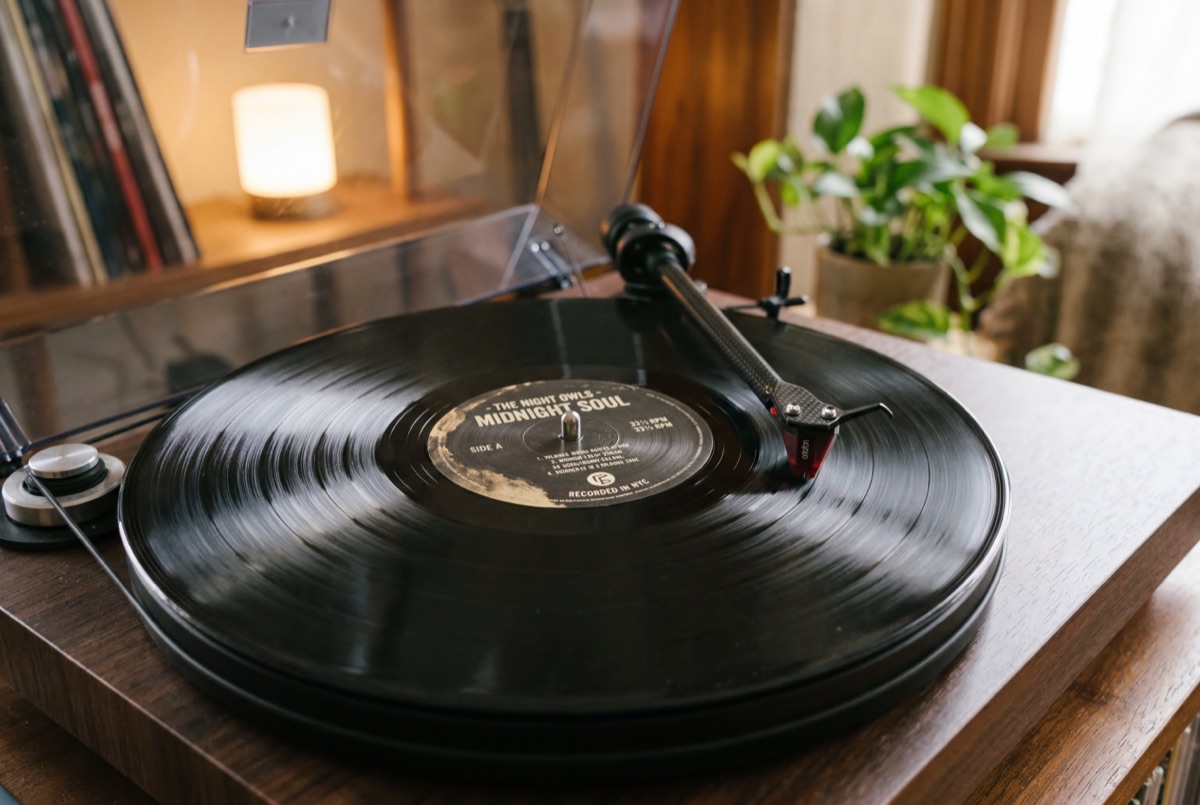
The gym's playlist became part of their identity. Not a random Spotify shuffle that changes every time someone connects their phone. A curated, intentional sonic brand that says: this is who we are. This is what it feels like to train here.
When a new member walks in and hears a track that references their art form, their coach's philosophy, their community, it lands differently than "Blinding Lights" for the eight hundredth time.
The Medium Is the Message
Marshall McLuhan said it decades ago. The medium is the message. The format you choose communicates as much as the content.
A click-next compliance module tells your staff that their time doesn't matter. A hand-lettered cafe menu tells your customers that every detail was considered. A custom playlist tells your members that this place was built with intention, right down to the speakers on the wall.
You don't need 49 tracks. But you do need to understand that every choice you make, or don't make, is part of your brand.
The gym playing top 40 made a choice too. They chose not to have a point of view. And that absence of intention is the loudest signal of all.
Run the Test
Next time you walk into a business, listen. What's playing? Does it feel deliberate or default? Does it tell you something about who this place is, or does it just fill space?
Then ask yourself the same question about your own business. Your website, your proposals, your onboarding process, your email signature. Are these details considered, or are they just... there?
The playlist test isn't really about music. It's about whether a brand has a point of view that extends to the details most people would overlook.
The businesses that pass the test are the ones people remember.

Nic Gallardo
Healthcare Instructional Designer - Perth, WA